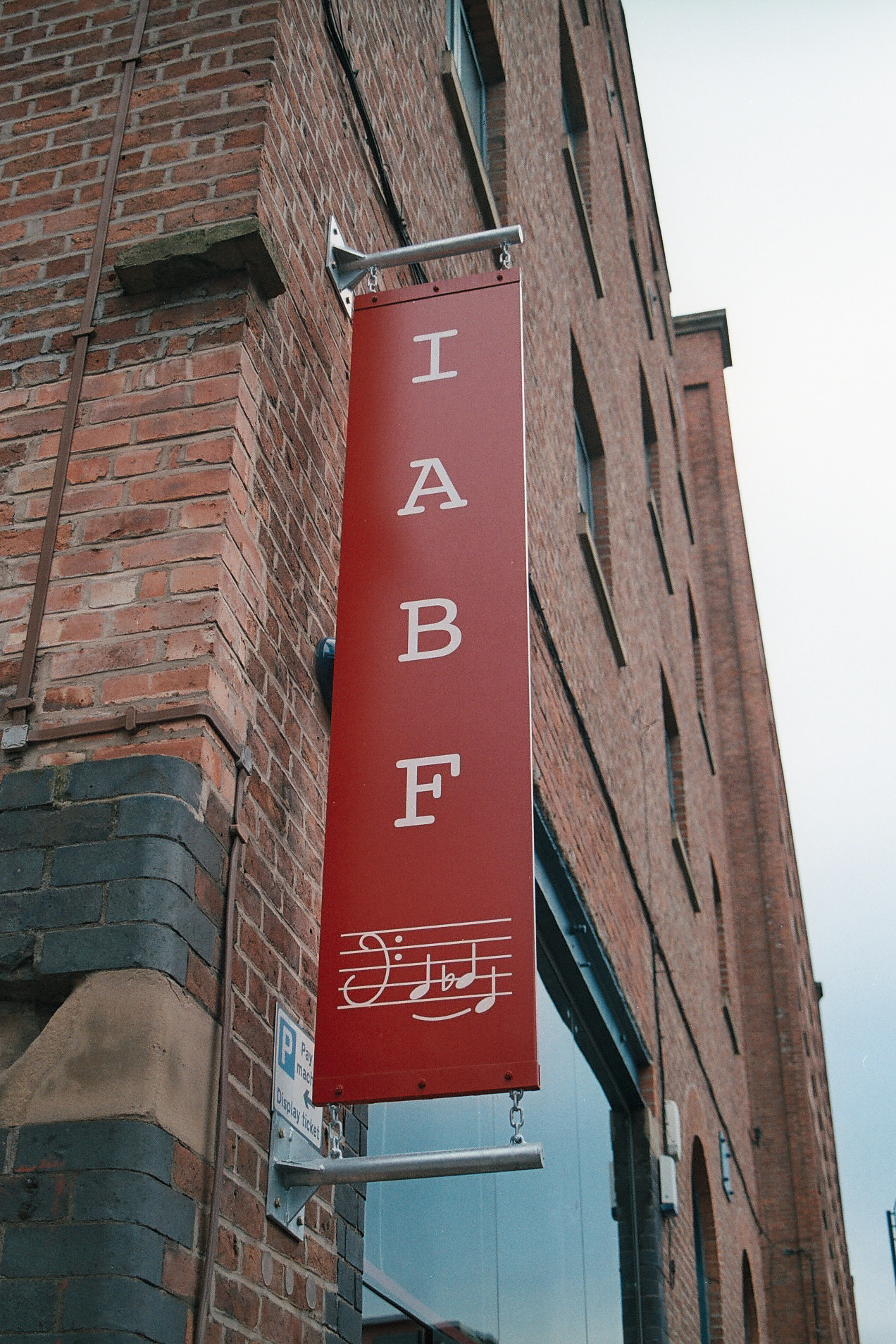
International Anthony Burgess Foundation
Author and Guardian Crime Fiction reviewer, Laura Wilson, bared her soul as she read from her recent book ‘A Capital Crime’ at Manchester’s International Anthony Burgess Foundation. Old university friend and now Academic Director of Manchester Metropolitan University’s Writing School, Michael Symmons Roberts, compared her poet’s eye for detail to that of Philip Larkin and reminded us that she has a rare talent for keeping the reader on the hook until the last page.
Although a writer, she was about 30, when she suddenly saw what she wanted to write. Until that point she had always felt too inexperienced to have anything interesting to write about although she had always loved reading about crime. Her Eureka moment happened when, as she was travelling on the 38 bus, she was suddenly able to make the connection between something she knew about; her family relationship with an isolated servant, and something she had read about; the unexplained shotgun deaths of three elderly people. The book became ‘A Little Death’ and, though she did not know it at the time, was of the ‘locked- room’ genre of crime-fiction.
Now writing her tenth novel, Laura explained that her decision to set her stories during the Second World War and post-war decades was based on her feeling that the history of the world changed more between 1940 and 1970 than at any other point in history. This was a statement I found thought-provoking but not really sure I agreed with, after all wasn’t the manufacturing revolution more significant or the recent information revolution?
“A Capital Crime” is based on the real life tale of failed justice, the hanging of Timothy Evans for the crimes of Christie in the 1950s. Laura was drawn to the story by the idea ‘what if someone got something so wrong, that if they had not cocked it, up seven people would still be alive?’ How would they feel? In order for the plot to fit into the style of the Inspector Stratton books she has fictionalised the victim of the miscarriage of justice and the villain as John Davies and Norman Backhouse and moved the scene of the crime from Notting Hill to Euston. She frequently uses real life tales to inspire her plots, the Black-out Ripper, for example, inspired ‘The Lover.’
Her writing style was initially organic but, she discovered, ‘it flowed like custard’. Now she feels a good synopsis is vital in order to plan a crime plot, about thirty pages like a verbal story board, the plot dealt with you can just immerse yourself in the prose. Confidence grows with writing, but sometimes slowly. She had written six books before she had confidence to write in the third person. Capture your voice by talking to people she advises.
Despite what publishers might say – that they want something new – what they actually want is more of the same until the wheels fall off the bandwagon, and then it’s on to the next one.